


BIOFYT

Purslane
PurslanePurslane, also known as anthrakla, is an annual, native, multi-branched plant of the Mediterranean with characteristic smooth and fleshy shoots. Wormwood grows in cultivated fields and especially in vegetable gardens that are watered in late spring and bears small yellow flowers. Although often considered an unwanted grass (weed) in the garden, buttercup is edible, very tasty and has a high nutritional value.

Chives
ChivesChives thrive in fertile soils, rich in organic matter and with very good drainage. It seeks a cool environment, it is resistant to cold and in sunny places it shows better growth and production, however, excessive moisture tends to cause it to rot in the root. Chives are propagated by seed. We can plant the chives directly by sowing in the field as long as when it reaches a growth of 10-15 cm we thin them at distances of 20-30 cm. If we get ready-made plants from a nursery, we plant them at suitable planting distances of 30-40 cm between plants and 50-60 cm between rows. To plant the chives on the balcony, choose a pot with a diameter of 30 cm and add general-purpose potting soil, enriched in nutrients, that ensures good drainage.

Chervil
ChervilChervil (Anthriscus cerefolium): Anthriscus cerefolium is an aromatic plant and is closely related to parsley. Grows to a height of 50cm. It has flat lacy leaves, which have an anise-like aroma. Light green color that gradually turns red brown as the plant matures. Blooms in mid-summer.

Thyme
ThymeThyme is an aromatic low shrub, a typical plant found in the countryside of our country. Thyme has a creeping but also upright growth and reaches a height of up to 40 cm. There are many varieties of thyme that we can grow. A special and hardy variety of thyme is lemon thyme, the leaves of which have a strong lemon aroma.

Anise
AniseThis small taxon is represented by evergreen trees and shrubs distributed in North America, Mexico, Peru, the West Indies and eastern Asia, with the highest concentration of species occurring in northern Myanmar and southern China.
The best known member of this genus is probably Illicium verum. Other species of this genus are Illicium anistatum, Illicium parviflorum, Illicium angustisepalum A.C. and other.
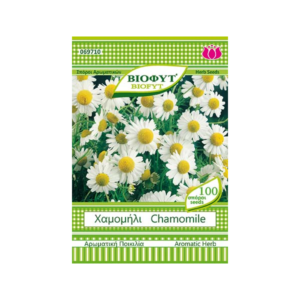
Chamomile
ChamomileChamomile, the beautiful plant with its characteristic aroma and unique beneficial properties. Chamomile is a favorite herb found naturally in the Greek countryside and often picked to be enjoyed as a relaxing tea. All of us chamomile fans can grow it in the garden, as well as in a pot in our yard or balcony, to make wonderful drinks at home. Chamomile is a low-growing, low-maintenance herbaceous plant that is extremely easy to grow. In addition to the beneficial properties it has at our disposal and our health, chamomile also has a special decorative value due to the impressive numerous small flowers with white petals and a characteristic yellow color in the center of the flower that resemble small daisies. There are 2 main varieties of chamomile, the German or wild chamomile, an annual or biennial plant that is taller and the Roman or tame or garden chamomile that is shorter growing and perennial. Let’s see what care chamomile needs to grow it in the garden and in a pot on our balcony and to enjoy beautiful flowers and healthy drinks at home.
