


BIOFYT
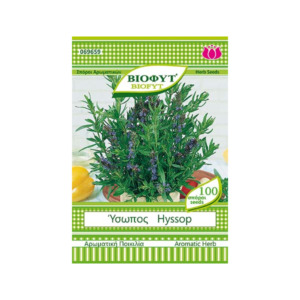
Hyssop
HyssopHyssop is a low shrub that reaches 60 cm in height. Its leaves are lanceolate without a stem and its flowers are dark blue with purple stamens. It has a strong clean and sweet smell with touches of honey aroma. The top note of its essential oil is camphorous and in its middle notes, a warm spice scent lingers as an impression. The color of the essential oil is yellow-green.

Spinach Baby
Spinach BabySpinach needs cool weather and sunny locations to grow and thrive in the fall season. It is also particularly resistant to low winter temperatures. In the spring season, we prefer to plant it in semi-shaded places, as in places with a lot its flowering stem develops prematurely, which stops the vegetation and the production of tender leaves. We plant spinach in fertile, fluffy soil, enriched in nutrients that ensure good growth. Till the soil well before planting and incorporate compost, well-digested manure and complete organic fertilizer.

Spinach Virofly
Spinach ViroflySpinach needs cool weather and sunny locations to grow and thrive in the fall season. It is also particularly resistant to low winter temperatures. In the spring season, we prefer to plant it in semi-shaded places, as in places with a lot its flowering stem develops prematurely, which stops the vegetation and the production of tender leaves. We plant spinach in fertile, fluffy soil, enriched in nutrients that ensure good growth. Till the soil well before planting and incorporate compost, well-digested manure and complete organic fertilizer.

Chard
ChardThe chard, the beet’s cousin! Swiss chard is not grown for its underground part, the root like beetroot, but for its tasty leaves, which we eat cooked or boiled in various recipes. A fall planting vegetable, Swiss chard is an easy crop with no particular requirements, and very healthy as it helps regulate sugar. It is grown as an annual vegetable, as it blooms in the second year. There are many varieties of chard, with light green to dark green leaf color and red or white stems and veins, depending on the variety.
Varieties of Swiss chard with red veins make them visually similar to beets. Note that due to its impressive foliage, the chard also adds decorative value to our autumn vegetable garden. The chard prefers cool weather. Although it does not tolerate high temperatures, the chard seeks sunny or semi-dark places, while it is also relatively resistant to light frost. It wants deep fertile soils, enriched in organic matter that also have good drainage.

Celery
CeleryCelery varieties, depending on the part of the plant for which they are grown, are divided into two main categories: a) leafy ones that have rich foliage vegetation and b) rhizomes that have less growth of the above-ground part of the plant and more root growth. The best-known varieties are the traditional variety of celery, the variety of celery and the variety of celery which have the following characteristics: Common variety of celery: Traditional local leafy variety of celery with thin shoots and leaves that have a strong aroma and flavor Celery variety: Classic leafy variety of celery with thick, crunchy stems that reach a height of up to one meter and large leaves that do not have as strong a scent as the common variety. Celery root variety: Characteristic variety of root celery eaten for its large round root, fresh or cooked in salads and soups.

Celery aromatic
Celery aromaticCelery varieties, depending on the part of the plant for which they are grown, are divided into two main categories: a) leafy ones that have rich foliage vegetation and b) rhizomes that have less growth of the above-ground part of the plant and more root growth. The best-known varieties are the traditional variety of celery, the variety of celery and the variety of celeriac, which have the following characteristics: Common variety of celery: Traditional local leafy variety of celery with thin stems and leaves that have a strong aroma and taste Celery variety: Classic leafy variety of celery with thick crisp stems that reach a height of up to one meter and large leaves but not as strongly scented as the common variety. Celery root variety: Characteristic variety of root celery eaten for its large round root, fresh or cooked in salads and soups.
