


Zochos (sonchus oleraceus)

Zochos (sonchus oleraceus)
The Zochos has a scientific name Sonchus oleraceus. The gorse is in bloom from June to August. Its seeds ripen from July to September. Its flowers are hermaphrodite (has both male and female organs) and are pollinated by bees. The leaves of the plant closely resemble those of grasses of the same family, oblong, smooth, toothed, alternately split into pinnate lobes, and with a broad, succulent petiole that widens at the base to almost embrace the stem, and bears lateral membranous extensions, characteristic of many herbs plants, rather to increase the photosynthetic surface.
More Products
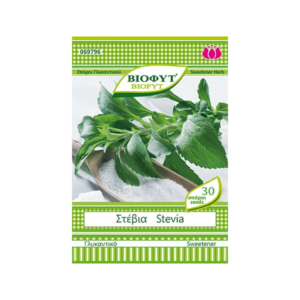
Stevia
SteviaStevia is a perennial plant, also known as melophyllo or sweet leaf of Paraguay. Stevia contains a substance, steviol, which has a high sweetening power, which is why it is used as a sweetener instead of sugar. We can grow stevia in a pot or in the garden and harvest its leaves to sweeten our coffee, tea or to use in various homemade sweets.

Spinach Virofly
Spinach ViroflySpinach needs cool weather and sunny locations to grow and thrive in the fall season. It is also particularly resistant to low winter temperatures. In the spring season, we prefer to plant it in semi-shaded places, as in places with a lot its flowering stem develops prematurely, which stops the vegetation and the production of tender leaves. We plant spinach in fertile, fluffy soil, enriched in nutrients that ensure good growth. Till the soil well before planting and incorporate compost, well-digested manure and complete organic fertilizer.

Cucumber mini
Cucumber miniThere are dozens of cucumber varieties and hybrids that are commercially available and that we can plant. Depending on the size of the fruit, the cucumber varieties are divided into the large-fruited varieties and the small-fruited varieties that, in addition to being fresh, are also used for pickling. A traditional long-fruited variety of cucumber is the Kalybiotiko cucumber, suitable for summer outdoor cultivation that gives very tasty smooth dark green fruits, about 40 cm long. Among the small-fruited varieties, we distinguish the Knossos variety, from the Heraklion region of Crete, with a smooth, dark green, crunchy fruit about 20 centimeters long. Long cucumber, a traditional variety of cucumber.

Strawberry
StrawberryStrawberry, the favorite fruit of young and old with its unique juicy taste. The best way to enjoy the most delicious strawberries, full of rich aroma, is to grow our own strawberries in the garden or on the balcony. Strawberries are very healthy and have significant nutritional value. They are rich in vitamin C, potassium, phosphorus and calcium, while at the same time they offer significant antioxidant activity. Strawberries are the ideal fruit for novice gardeners of all ages, as they don’t require too much care, can be grown in a pot or in a flower bed, and each plant gives us enough fruit. The strawberry plant is a perennial and herbaceous that spreads on the ground and climbs. The strawberry has a central stem, of low height, from which the leaves, flowers and fruits that are formed in spring and summer emerge. Strawberry cultivation lasts about 3-4 years before the productivity of the plants starts to decrease significantly and we will have to replace the crop by planting new strawberry plants to ensure new strawberry plants.

Chives
ChivesChives thrive in fertile soils, rich in organic matter and with very good drainage. It seeks a cool environment, it is resistant to cold and in sunny places it shows better growth and production, however, excessive moisture tends to cause it to rot in the root. Chives are propagated by seed. We can plant the chives directly by sowing in the field as long as when it reaches a growth of 10-15 cm we thin them at distances of 20-30 cm. If we get ready-made plants from a nursery, we plant them at suitable planting distances of 30-40 cm between plants and 50-60 cm between rows. To plant the chives on the balcony, choose a pot with a diameter of 30 cm and add general-purpose potting soil, enriched in nutrients, that ensures good drainage.

Chard
ChardThe chard, the beet’s cousin! Swiss chard is not grown for its underground part, the root like beetroot, but for its tasty leaves, which we eat cooked or boiled in various recipes. A fall planting vegetable, Swiss chard is an easy crop with no particular requirements, and very healthy as it helps regulate sugar. It is grown as an annual vegetable, as it blooms in the second year. There are many varieties of chard, with light green to dark green leaf color and red or white stems and veins, depending on the variety.
Varieties of Swiss chard with red veins make them visually similar to beets. Note that due to its impressive foliage, the chard also adds decorative value to our autumn vegetable garden. The chard prefers cool weather. Although it does not tolerate high temperatures, the chard seeks sunny or semi-dark places, while it is also relatively resistant to light frost. It wants deep fertile soils, enriched in organic matter that also have good drainage.
