


VEGETABLE SEEDS
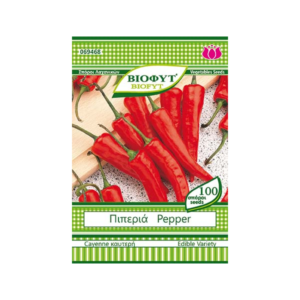
Pepper Cayenne
Pepper CayennePeppers, the vegetable with the unique taste and the most colors than any other vegetable! Peppers are a key ingredient of Mediterranean cuisine, combining a unique taste, crunchy texture and characteristic aroma. The pepper crop reaches a height of about 1 meter and, depending on the variety, forms fruits in various shapes, from oblong to rounder with bright colors such as green, yellow, orange and red. The fruit of the pepper has a very important nutritional value as it contains many vitamins and antioxidants, very beneficial for our health. At the same time, it has a low fat content and is therefore suitable for weight loss diets. The pepper plant belongs to the same family as the tomato and eggplant, the Solanaceae family, and they are native to Central and South America. Pepper cultivation usually begins in the spring. It is a relatively easy crop that with proper care gives us many fruits to enjoy in the summer.
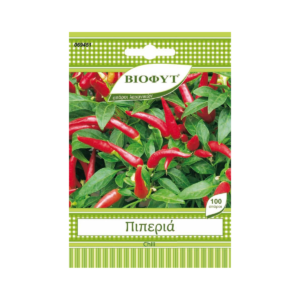
Chili Peppers (of Florina)
Chili Peppers (of Florina)Peppers, the vegetable with the unique taste and the most colors than any other vegetable! Peppers are a key ingredient of Mediterranean cuisine, combining a unique taste, crunchy texture and characteristic aroma. The pepper crop reaches a height of about 1 meter and, depending on the variety, forms fruits in various shapes, from oblong to rounder with bright colors such as green, yellow, orange and red. The fruit of the pepper has a very important nutritional value as it contains many vitamins and antioxidants, very beneficial for our health.
At the same time, it has a low fat content and is therefore suitable for weight loss diets. The pepper plant belongs to the same family as the tomato and eggplant, the Solanaceae family, and they are native to Central and South America. Pepper cultivation usually begins in the spring. It is a relatively easy crop that with proper care gives us many fruits to enjoy in the summer.
Pepper cultivation loves warm environment and is relatively sensitive to winds and cold. The nighttime drop in temperature can cause the upper leaves of the pepper to deform and show a characteristic curling. We plant the young pepper plants from the middle of April until the beginning of summer, when both day and night temperatures will have started to rise. In the southern parts of Greece, where the winter is milder, the pepper plant does not dry up at the end of the growing year despite the frost. With proper pruning in late winter, the pepper can sprout again and give us new production the following year.
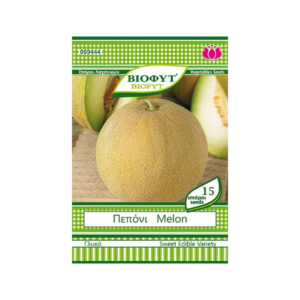
Melon
MelonWe plant melons in late spring or early summer, as the melon crop thrives in warm seasons. Many growers prepare their own plants from nursery-grown seed, while others prefer ready-made plants obtained from nurseries. For later melon plantings, in early or mid-summer, in addition to planting ready-made plants, we can plant the melon seed directly in the ground. It is worth mentioning that when we plant melon seeds directly in the soil, the plant takes root better in its natural environment and is more resistant during the summer season when high temperatures prevail. We plant the melons at the appropriate planting distances, 80-100 cm between planting positions and 120-180 cm between planting lines.
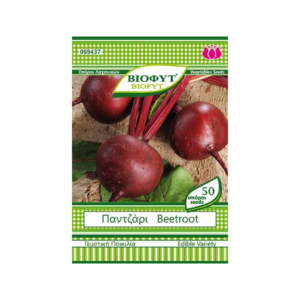
Beetroot
BeetrootThe beetroot crop grows best in deep, fertile soils with good drainage, as do carrots, radishes, potatoes and sweet potatoes, i.e. vegetables that have an underground root. Only in such fluffy soils can the fleshy beet root grow and be of good quality. To help root growth, we prepare the soil, plow or dig the soil well and incorporate compost, digested manure and complete organic fertilizer. Beetroot is planted in autumn or early spring. All varieties of beet grow in a cool environment and away from extreme temperatures, with ideal temperatures from 15°C to 25°C. In conditions of extreme frost or extreme heat, beetroot roots do not develop and form properly and we have degraded production. To grow beetroot, we can plant seed or get ready-made plants.
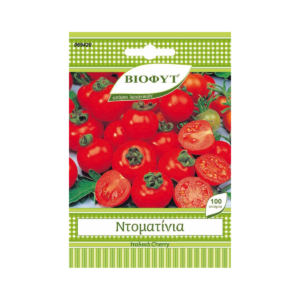
Tomatoes Italian Cherry
Tomatoes Italian CherryTomato cultivation needs enough sunshine to grow and give us delicious juicy tomatoes. We choose sunny spots in our garden and avoid shady spots or spots near trees. When planting the tomato, we incorporate enough organic matter into the planting pits, in the form of compost and well-digested manure, as well as organic fertilizer rich in potassium. In this way, we enrich the soil with nutrients and at the same time make it fluffier with better drainage for water. In loose soil, the roots of the tomato plant go further into the soil and have greater growth. Thus, the plant has better support and richer vegetation lays the foundations for higher and better quality production during cultivation. We plant the tomato plants at the appropriate planting distances, depending on the variety of tomato, the soil and the climatic conditions. We avoid dense plantings and prefer to plant relatively sparsely for better production and healthier plants.
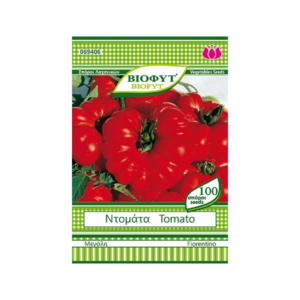
Tomato fiorentino
Tomato fiorentinoTomato cultivation needs enough sunshine to grow and give us delicious juicy tomatoes. We choose sunny spots in our garden and avoid shady spots or spots near trees. When planting the tomato, we incorporate enough organic matter into the planting pits, in the form of compost and well-digested manure, as well as organic fertilizer rich in potassium. In this way, we enrich the soil with nutrients and at the same time make it fluffier with better drainage for water. In loose soil, the roots of the tomato plant go further into the soil and have greater growth. Thus, the plant has better support and richer vegetation lays the foundations for higher and better quality production during cultivation. We plant the tomato plants at the appropriate planting distances, depending on the variety of tomato, the soil and the climatic conditions. We avoid dense plantings and prefer to plant relatively sparsely for better production and healthier plants. The bush tomato varieties are planted at distances of 0.70 – 1 meter between the plants and 1.5-2 meters between the planting lines, to ensure the best ventilation and lighting of the plants. Climbing varieties of tomatoes are planted closer, at distances of half a meter. We can use geotextile ground cover to limit the growth of unwanted weeds during cultivation and help the plants.
