


Beetroot

Beetroot
The beetroot crop grows best in deep, fertile soils with good drainage, as do carrots, radishes, potatoes and sweet potatoes, i.e. vegetables that have an underground root. Only in such fluffy soils can the fleshy beet root grow and be of good quality. To help root growth, we prepare the soil, plow or dig the soil well and incorporate compost, digested manure and complete organic fertilizer. Beetroot is planted in autumn or early spring. All varieties of beet grow in a cool environment and away from extreme temperatures, with ideal temperatures from 15°C to 25°C. In conditions of extreme frost or extreme heat, beetroot roots do not develop and form properly and we have degraded production. To grow beetroot, we can plant seed or get ready-made plants.
Beetroot cultivation does not require much water, as long as it is regularly watered when the soil dries out. In addition, as an autumn crop, there are also the rains that make it easier for us to water. If we grow beets in the spring, it will definitely need more regular watering to allow the plant to grow properly.
More Products

Chives
ChivesChives thrive in fertile soils, rich in organic matter and with very good drainage. It seeks a cool environment, it is resistant to cold and in sunny places it shows better growth and production, however, excessive moisture tends to cause it to rot in the root. Chives are propagated by seed. We can plant the chives directly by sowing in the field as long as when it reaches a growth of 10-15 cm we thin them at distances of 20-30 cm. If we get ready-made plants from a nursery, we plant them at suitable planting distances of 30-40 cm between plants and 50-60 cm between rows. To plant the chives on the balcony, choose a pot with a diameter of 30 cm and add general-purpose potting soil, enriched in nutrients, that ensures good drainage.

Celery
CeleryCelery varieties, depending on the part of the plant for which they are grown, are divided into two main categories: a) leafy ones that have rich foliage vegetation and b) rhizomes that have less growth of the above-ground part of the plant and more root growth. The best-known varieties are the traditional variety of celery, the variety of celery and the variety of celery which have the following characteristics: Common variety of celery: Traditional local leafy variety of celery with thin shoots and leaves that have a strong aroma and flavor Celery variety: Classic leafy variety of celery with thick, crunchy stems that reach a height of up to one meter and large leaves that do not have as strong a scent as the common variety. Celery root variety: Characteristic variety of root celery eaten for its large round root, fresh or cooked in salads and soups.

Purslane
PurslanePurslane, also known as anthrakla, is an annual, native, multi-branched plant of the Mediterranean with characteristic smooth and fleshy shoots. Wormwood grows in cultivated fields and especially in vegetable gardens that are watered in late spring and bears small yellow flowers. Although often considered an unwanted grass (weed) in the garden, buttercup is edible, very tasty and has a high nutritional value.

Carrot
CarrotCarrot, one of the most delicious and nutritious vegetables that we plant in the spring and autumn season. Famous for the sweet, crunchy and aromatic taste of its fleshy root, the carrot is a favorite food for young and old. It grows in the ground with its leaves protruding above the soil, as is the case with beetroot, radish, onion and garlic. The carrot is eaten fresh in winter salads along with cabbage and lettuce, but also cooked in various recipes, such as in the traditional bean salad. We can also make carrot cake, thanks to its sweet taste. Carrots need relatively cool conditions to grow and perform well, as well as plenty of sunlight. Ideal temperature conditions for carrot cultivation are between 16-18°C. Carrot cultivation is relatively resistant to winter frost, while at high temperatures that exceed 25°C the growth of the carrot root stops, it becomes woody and its color fades.
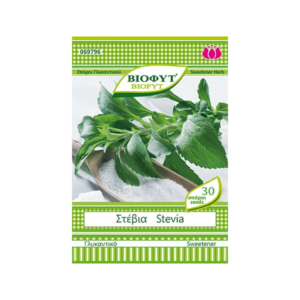
Stevia
SteviaStevia is a perennial plant, also known as melophyllo or sweet leaf of Paraguay. Stevia contains a substance, steviol, which has a high sweetening power, which is why it is used as a sweetener instead of sugar. We can grow stevia in a pot or in the garden and harvest its leaves to sweeten our coffee, tea or to use in various homemade sweets.

Cabbage Chinese
Cabbage ChineseCabbage is a cold season plant and the ideal temperature for its growth is 15-18 degrees Celsius. Cabbages are planted mainly in sunny positions in the fall, although semi-shaded positions are useful in early summer plantings when it is very hot. Cabbage can grow in all types of soil, except very acidic soils. It is important that the soil has good drainage to remove excess water from watering and to ensure good aeration of the roots. For early cabbages we prefer sandy, light warm soils, while for late cabbages we prefer heavier and more fertile soils with good drainage, rich in organic matter. 3. How do we plant the cabbages and at what distances? We can raise cabbage plants from seed to maintain traditional varieties or keep our own seeds from the plants every year. Planting in a nursery takes 4-6 weeks until the young plants are ready for transplanting in the field. Ideal temperatures for seed germination and plant growth are 15-20 degrees Celsius. Alternatively, we can get ready-made cabbage plants from agricultural stores and nurseries in our area. Cabbage is transplanted from mid-August to early November depending on the growing conditions in each region.
