


Spinach Baby

Spinach Baby
Spinach needs cool weather and sunny locations to grow and thrive in the fall season. It is also particularly resistant to low winter temperatures. In the spring season, we prefer to plant it in semi-shaded places, as in places with a lot its flowering stem develops prematurely, which stops the vegetation and the production of tender leaves. We plant spinach in fertile, fluffy soil, enriched in nutrients that ensure good growth. Till the soil well before planting and incorporate compost, well-digested manure and complete organic fertilizer.
Spinach needs regular watering in small doses, as it has a superficial root system that does not spread much. In addition, it needs increased watering as temperatures rise during the spring and summer season. Growing spinach requires careful and frequent weeding, i.e. removing unwanted weeds that prevent the growth of young spinach plants. The process of weeding can be done by hand or using a small weeder, being careful not to injure the spinach shoots.
More Products

Thyme
ThymeThyme is an aromatic low shrub, a typical plant found in the countryside of our country. Thyme has a creeping but also upright growth and reaches a height of up to 40 cm. There are many varieties of thyme that we can grow. A special and hardy variety of thyme is lemon thyme, the leaves of which have a strong lemon aroma.
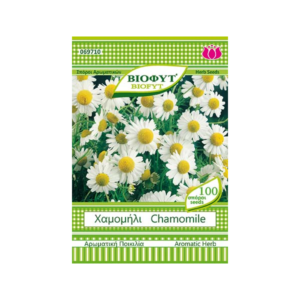
Chamomile
ChamomileChamomile, the beautiful plant with its characteristic aroma and unique beneficial properties. Chamomile is a favorite herb found naturally in the Greek countryside and often picked to be enjoyed as a relaxing tea. All of us chamomile fans can grow it in the garden, as well as in a pot in our yard or balcony, to make wonderful drinks at home. Chamomile is a low-growing, low-maintenance herbaceous plant that is extremely easy to grow. In addition to the beneficial properties it has at our disposal and our health, chamomile also has a special decorative value due to the impressive numerous small flowers with white petals and a characteristic yellow color in the center of the flower that resemble small daisies. There are 2 main varieties of chamomile, the German or wild chamomile, an annual or biennial plant that is taller and the Roman or tame or garden chamomile that is shorter growing and perennial. Let’s see what care chamomile needs to grow it in the garden and in a pot on our balcony and to enjoy beautiful flowers and healthy drinks at home.
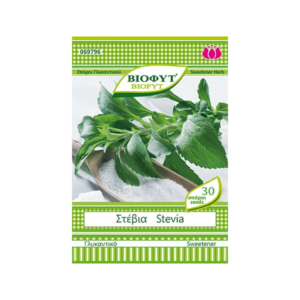
Stevia
SteviaStevia is a perennial plant, also known as melophyllo or sweet leaf of Paraguay. Stevia contains a substance, steviol, which has a high sweetening power, which is why it is used as a sweetener instead of sugar. We can grow stevia in a pot or in the garden and harvest its leaves to sweeten our coffee, tea or to use in various homemade sweets.

Chives
ChivesChives thrive in fertile soils, rich in organic matter and with very good drainage. It seeks a cool environment, it is resistant to cold and in sunny places it shows better growth and production, however, excessive moisture tends to cause it to rot in the root. Chives are propagated by seed. We can plant the chives directly by sowing in the field as long as when it reaches a growth of 10-15 cm we thin them at distances of 20-30 cm. If we get ready-made plants from a nursery, we plant them at suitable planting distances of 30-40 cm between plants and 50-60 cm between rows. To plant the chives on the balcony, choose a pot with a diameter of 30 cm and add general-purpose potting soil, enriched in nutrients, that ensures good drainage.

Celery aromatic
Celery aromaticCelery varieties, depending on the part of the plant for which they are grown, are divided into two main categories: a) leafy ones that have rich foliage vegetation and b) rhizomes that have less growth of the above-ground part of the plant and more root growth. The best-known varieties are the traditional variety of celery, the variety of celery and the variety of celeriac, which have the following characteristics: Common variety of celery: Traditional local leafy variety of celery with thin stems and leaves that have a strong aroma and taste Celery variety: Classic leafy variety of celery with thick crisp stems that reach a height of up to one meter and large leaves but not as strongly scented as the common variety. Celery root variety: Characteristic variety of root celery eaten for its large round root, fresh or cooked in salads and soups.

Celery
CeleryCelery varieties, depending on the part of the plant for which they are grown, are divided into two main categories: a) leafy ones that have rich foliage vegetation and b) rhizomes that have less growth of the above-ground part of the plant and more root growth. The best-known varieties are the traditional variety of celery, the variety of celery and the variety of celery which have the following characteristics: Common variety of celery: Traditional local leafy variety of celery with thin shoots and leaves that have a strong aroma and flavor Celery variety: Classic leafy variety of celery with thick, crunchy stems that reach a height of up to one meter and large leaves that do not have as strong a scent as the common variety. Celery root variety: Characteristic variety of root celery eaten for its large round root, fresh or cooked in salads and soups.
