


BIOFYT
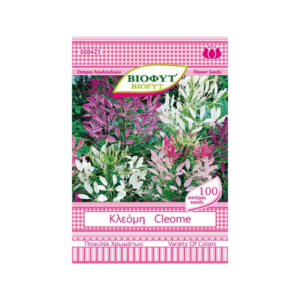
Cleome
CleomeCleome, or cleome, is a flowering plant that belongs to the Cleomaceae family. Such a plant is either annual or biennial. In nature, it is found in any corner of the Earth, in those areas where there is a temperate and warm climate. This genus unites about 70 species. Cleoma inflorescences have a special shape, so the Germans call it “spinenpflanze”, which translates as “spider plant”. Raceme inflorescences are not very common, they can be compared to a splash of champagne or an explosion. Some people may not like such flowers, but it is simply impossible to leave them unattended. Every year, such a flower crop attracts the attention of gardeners more and more, because it has very spectacular inflorescences with an unusual smell, and its flowering is quite long, it is observed from June to September.
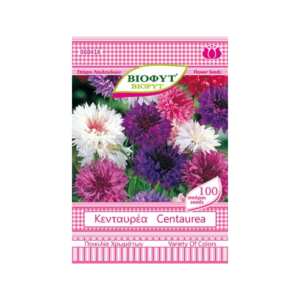
Centaurea
CentaureaThe beautiful Centaurea plant, which we will talk about today, is named after the famous Centaur Chiron, teacher of Asclepius, but also of Apollo, Achilles and Jason. In the Titanomachy, Chiron sided with Heracles against the Centaurs, but he accidentally wounded him with an arrow laced with the poison of the Lernaean Hydra. Then Chiron used the Centaur as a healing agent and healed his wound.
Centaurea is a herbaceous resistant plant endemic to many countries in Europe and North America and belongs to the daisy family.
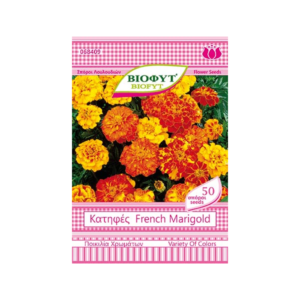
French Marigold
French MarigoldMarigold is an annual ornamental plant that stands out for its rich, prolonged flowering that starts in spring and can last until the beginning of winter. A native of Mexico, marigold is grown in flower beds and pots for its lovely yellow, orange and tile flowers. If we rub the marigold foliage with our hand, it gives off a characteristic not so pleasant smell. Marigolds thrive in locations with constant sunlight, although they can also adapt to relatively semi-shady locations. They are planted in all soils, although they show richer flowering in fertile soils, enriched with compost and manure. When potting marigolds, use general-purpose potting soil and ensure good drainage by placing a layer of gravel or pebbles in the base of the pot or planter.
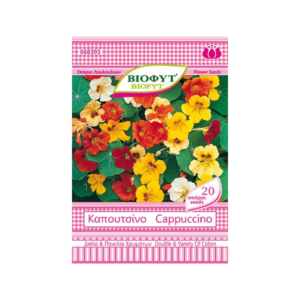
Cappuccino Double
Cappuccino DoubleCappuccino is an annual, herbaceous plant, with vigorous growth, beautiful flowers and a spicy characteristic smell. Clumsily climbing hedges and supports or sprawling above the ground, it shows off its shiny, rounded leaves while bearing large flowers in warm red and orange combinations. Naturally charming and useful in cooking, it is an easy traditional plant that fits perfectly in relaxed gardens and balconies. Capuchin is an ornamental herbaceous plant, with a height and width of 1 to 2.5 meters, thanks to its creeping growth or its ability to climb various supports. Its vibrant foliage, made of all-round, broad, cool-textured leaves, sprawls above the soil surface or climbs spontaneously on branches and ornamental supports. Endowed with a strong peppery aroma, it creates the perfect substrate where its flowers, as well as other plants, will stand out. Sensitive to cold, it falls over in winter and usually replants or grows only in the same place from seed. Its beautiful flowers, in warm shades between red, orange, yellow and cream, are shaped like a large trumpet, with a lacy mouth. Making their appearance in the summer, they maintain their festive appearance until autumn, where they will gradually give way to edible seeds. It loves sunny places and can be planted in places protected from the cold and strong or hot wind but also in more exposed places.
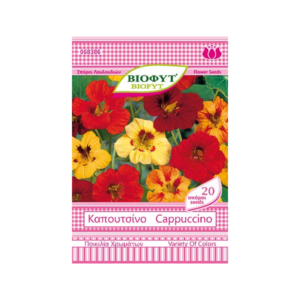
Cappuccino Variety
Cappuccino VarietyCappuccino is an annual, herbaceous plant, with vigorous growth, beautiful flowers and a spicy characteristic smell. Clumsily climbing hedges and supports or sprawling above the ground, it shows off its shiny, rounded leaves while bearing large flowers in warm red and orange combinations. Naturally charming and useful in cooking, it’s an easy traditional plant that’s great for relaxed gardens and balconies. Cappuccino is an ornamental herbaceous plant, with a height and width that reaches from 1 to 2.5 meters, thanks to its creeping growth or its ability to climb various supports. Its lively foliage, made of round, broad leaves with cool texture, spreads over the soil surface or climbs spontaneously on branches and ornamental supports.

Bluebell
BluebellThe name Bluebell refers to a whole class of perennial or annual plants, deciduous or evergreen, in various sizes and shades. Every bluebell is different, but they all love cold climates with cool summers. In our country they thrive in partial shade, decorating the garden with their beautiful bell-shaped flowers. Ideal for almost any occasion, they make colorful flower arrangements, in flower beds, borders and pots or as a stunning purple-blue carpet.
